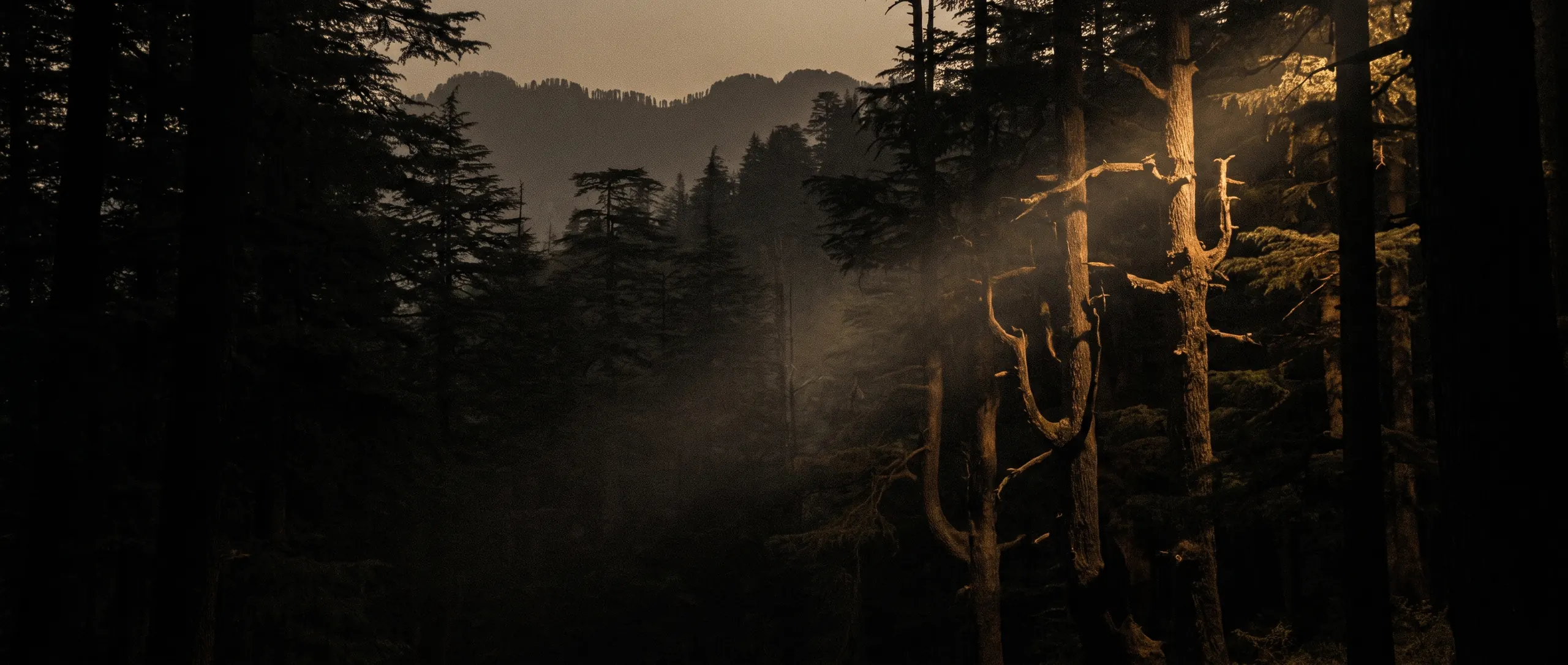
We do not decide the harvest.
Kashmir · since the first batch
RŪHNŪR began with a simple refusal: not to sell anything we could not follow back to the ground it came from.
Everything we keep is gathered on foot by a small number of households across four places — the saffron fields at Pampore, the wild hives above Dachigam, the high meadows past Pahalgam, and the shaded northern slopes of the Pir Panjal. The same families, the same ground, year after year.
That relationship is the whole business. It is also its limit. We cannot increase a harvest by wanting more of it, and we have never found a way to make a season arrive early. So when the yield is small, the release is small, and when the land gives nothing, we sell nothing and say so.
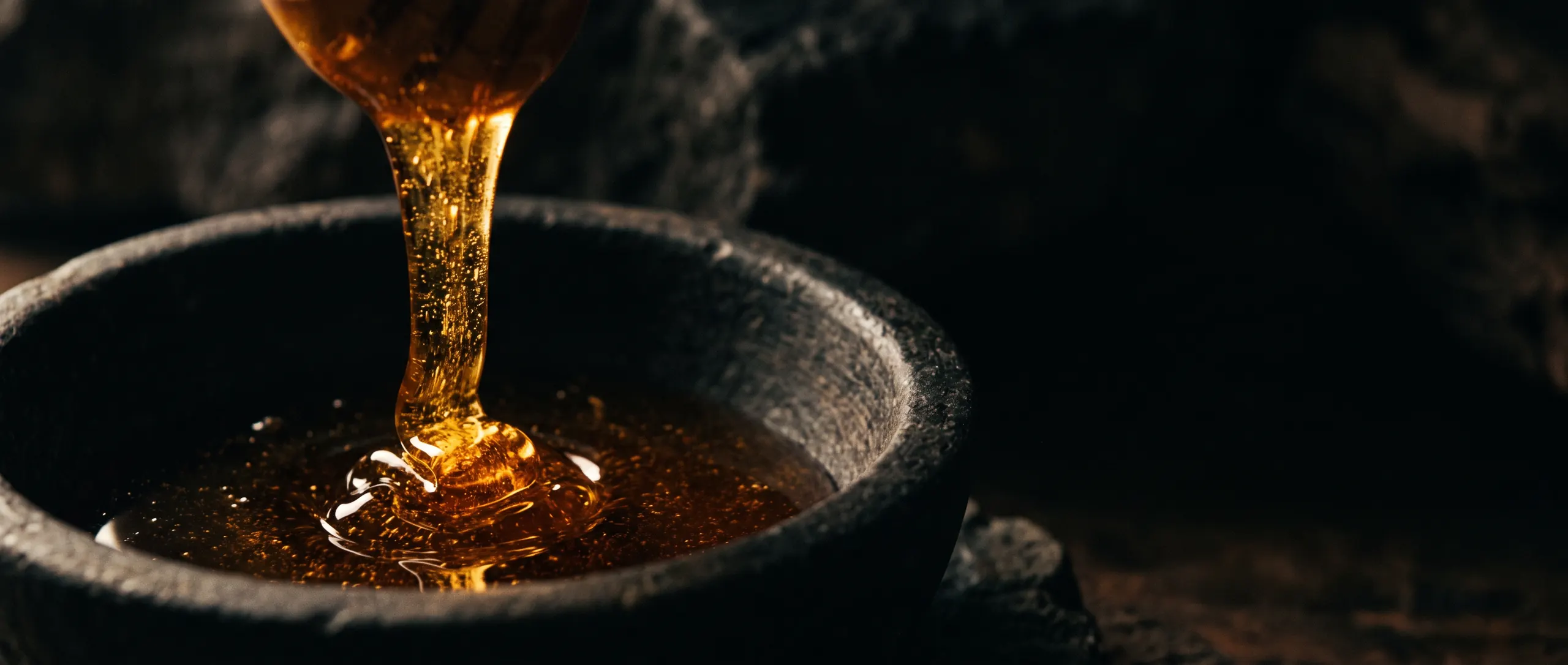
Cold-extracted once a year, and never warmed to move faster.
How we work
- Gathered, not grown
- Nothing in the reserve is cultivated to order. Morels cannot be farmed at all; saffron and dandelion are worked by hand in a window the season sets.
- Numbered and finite
- Every batch is numbered against its harvest. When a number is gone it is not reprinted, and there is no restock until the following season.
- Paid at the source
- The households who gather are paid before anything is sold, at a rate set on the quality of the harvest rather than the state of the market.